Innovations changing financial services
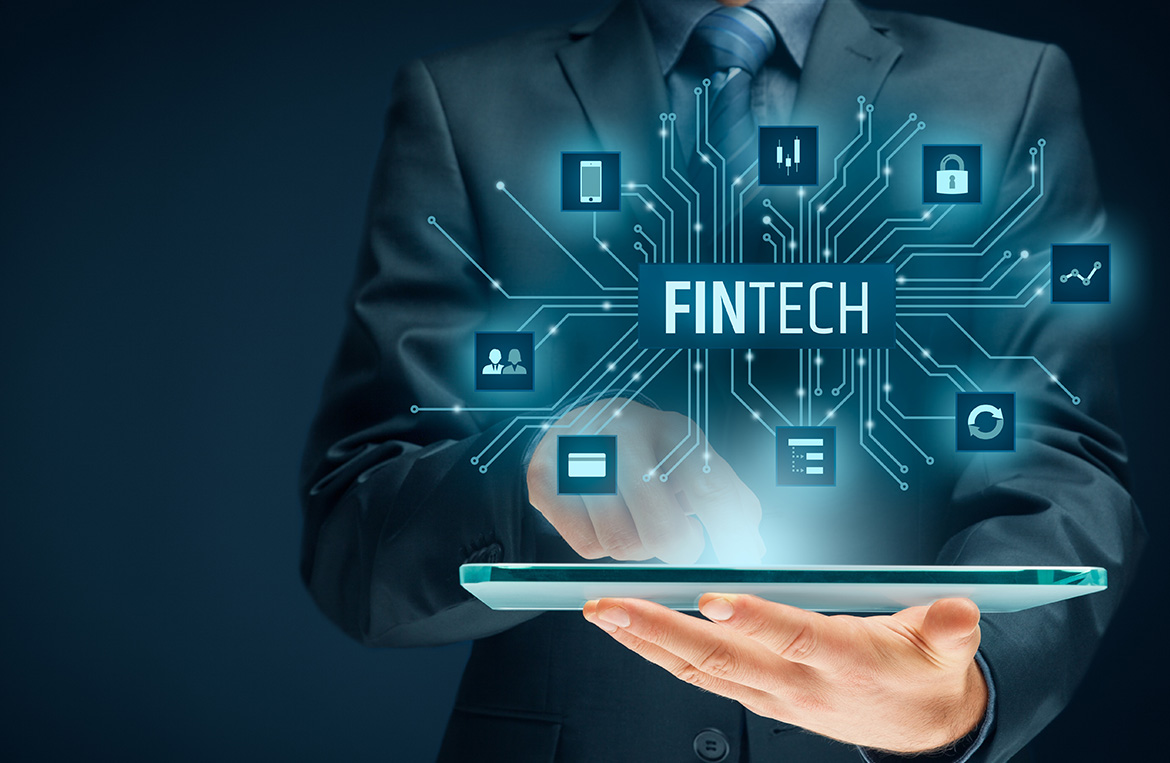
In recent years, innovation has been rapidly advancing across all sectors, and the financial industry is no exception. In this article, we will look at some of the successful solutions that are increasingly being applied in the financial services industry.
Innovative financial technologies, often referred to as fintech, encompass a variety of technological solutions aimed at enhancing and optimizing financial services. Let’s examine some of the most significant and promising developments in this field:
Mobile apps and online banking
Innovations in mobile banking apps and online banking have significantly transformed how customers interact with financial institutions, making financial services more accessible, convenient, and secure. Here are some key next-generation innovations in this area:
Mobile payments and contactless transactions
Mobile banking apps are often integrated with payment systems like Apple Pay, Google Pay, and Samsung Pay, allowing users to make payments via smartphones and smartwatches. Contactless transactions using NFC technology provide fast and secure payments in stores and online.
Personal finance management (PFM)
Mobile banking apps increasingly include personal finance management features, such as expense tracking, budgeting, and financial data analysis. These tools help users better understand their financial habits and make informed decisions.
Personalization and predictive analytics
By utilizing data analysis and machine learning, banks can personalize offerings for their customers, provide tailored financial management advice, and predict future customer needs. This can include recommendations for credit products, investment opportunities, and savings strategies.
Virtual assistants and chatbots
Many banks are implementing virtual assistants and chatbots into their mobile apps and online banking platforms to automate customer service. These technologies help customers quickly get answers to frequently asked questions, manage accounts, and perform simple transactions without needing to speak to a live operator.
Digital identification and KYC
Modern mobile banking apps allow customers to open accounts and complete the KYC (Know Your Customer) process online using digital identification. This may include uploading documents and verifying identity through video.
Investment services
Many mobile banking apps feature investment and trading capabilities, enabling clients to monitor their portfolios, buy and sell assets, and receive analytical insights and recommendations.
Integration with other financial services
Modern mobile apps often integrate with various financial services, such as insurance companies, pension funds, and credit bureaus. This provides users with a comprehensive view of their financial affairs in one place.
Enhanced security measures
Advanced security technologies, such as multi-layer authentication, real-time transaction monitoring, and AI-based detection of suspicious activities, help protect users from cyber threats and fraud.
These innovations make mobile banking apps and online banking more functional, secure, and convenient for users, contributing to their growing popularity and trust in banks.
Blockchain Technologies
Blockchain is a decentralized and distributed ledger that records transactions in a chain of blocks, ensuring data security, transparency, and immutability. It has found wide application in the banking and financial sectors due to its ability to revolutionize various aspects of these industries. Blockchain enables financial transactions without intermediaries, reducing costs and increasing transaction speed.
The advantages of using blockchain include:
Secure and transparent transactions
Blockchain enables secure and transparent financial transactions. Each transaction is recorded in the blockchain as a “block” and linked to previous blocks, forming a chain. This makes it impossible to alter data without the consent of all network participants, significantly reducing the risk of fraud and errors.
Faster cross-border payments
Traditional cross-border payments can take several days due to the need to go through multiple intermediaries. Blockchain allows such transactions to be completed almost instantly, reducing time and transaction costs. Examples of such solutions include Ripple and Stellar, which offer platforms for fast and inexpensive international payments
Smart contracts
Smart contracts are self-executing contracts where the terms of the agreement are written in code and automatically executed when certain conditions are met. This allows for the automation of various processes, such as payments, loan processing, and insurance. Smart contracts provide transparency and eliminate the need for intermediaries, reducing costs and risks.
Digital assets and tokenization
Blockchain enables the tokenization of real-world assets, such as real estate, securities, or artworks. Tokenization simplifies the process of buying, selling, and managing assets, providing fractional ownership and liquidity. Banks and fintech companies can use this technology to create new financial products and services.
Identification and security
Blockchain can be used to create secure and decentralized identification systems. This can help combat fraud by providing reliable identity verification and protecting customers’ personal data. Blockchain systems can be used for managing identification data, simplifying KYC (Know Your Customer) procedures, and preventing fraud.
Transparency and audit
Blockchain provides immutability of records, making it ideal for creating transparent accounting and audit systems. Banks and other financial institutions can use blockchain to improve their internal accounting and reporting systems, as well as to ensure transparency in relationships with regulators and customers.
Decentralized finance (DeFi)
DeFi is an ecosystem of financial applications built on blockchain that operate without traditional financial intermediaries. DeFi includes platforms for lending, borrowing, asset exchange, and risk management, offering users greater control over their finances and reducing costs.
Cost reduction and increased efficiency
The use of blockchain technology allows for the automation of many processes related to transaction verification, risk management, and other aspects of financial operations. This helps reduce operational costs and improve the overall efficiency of banks and fintech companies.
Personalized financial services
AI-based personalized financial services represent an innovative approach that leverages artificial intelligence (AI) technologies to create tailored recommendations and solutions based on each client’s needs and preferences. This field is rapidly evolving and encompasses various aspects, from personal finance management to investment advisory. Here are the key areas where AI is applied in personalized financial services:
Personal finance management
AI analyzes users’ financial data, such as income, expenses, and investments, to provide personalized advice on budgeting, saving, and optimizing spending. This includes automatic transaction categorization, cash flow forecasting, and recommendations for improving financial habits.
Investment recommendations and robo-advisors
Robo-advisors use AI algorithms to analyze market data and offer investment suggestions based on the client’s financial goals, risk tolerance, and preferences. They can create diversified portfolios, recommend asset rebalancing, and provide investment performance reports.
Personalized banking product offers
Banks and financial institutions use AI to analyze customer data and create personalized offers, such as loans, deposits, or insurance products. For example, analyzing a client’s creditworthiness can help propose optimal loan terms or credit card offers.
Risk prediction and alerts
AI can analyze client behavior and alert them to potential financial risks, such as overspending or possible credit issues. This helps clients make more informed financial decisions and avoid unpleasant surprises.
Fraud detection and security
AI plays a crucial role in monitoring transactions and identifying suspicious activities. AI-based systems can automatically detect anomalies in user behavior, helping to prevent fraud and ensure the security of financial transactions.
Chatbots
Chatbots are AI-powered virtual assistants that are increasingly used in banking and fintech services. They interact with clients by answering questions, assisting with transactions, and providing real-time advice 24/7. Chatbots can handle a large volume of queries simultaneously, offering fast and efficient customer service, answering frequently asked questions, assisting with website navigation, processing requests, and providing personalized recommendations. This reduces the burden on support teams and enhances the user experience.
Credit scoring and risk management
AI helps financial institutions more accurately assess credit risk by analyzing a wide range of data, including behavioral and social data. This enables offering fairer and more competitive credit conditions.
Customer experience optimization
AI improves the customer experience by analyzing preferences and interaction history with financial services. This helps in offering relevant products and services and enhancing customer satisfaction.
AI-driven personalized financial services enable clients to receive more accurate and relevant recommendations, improving their financial well-being and making interactions with financial institutions more convenient and secure.
These examples represent just a small portion of the innovative solutions being actively implemented in the fintech industry. In the next section, we will explore other innovations and technological advancements that are transforming financial services, making them more accessible, convenient, and secure for users.


