Electronic Health Records: the future is here
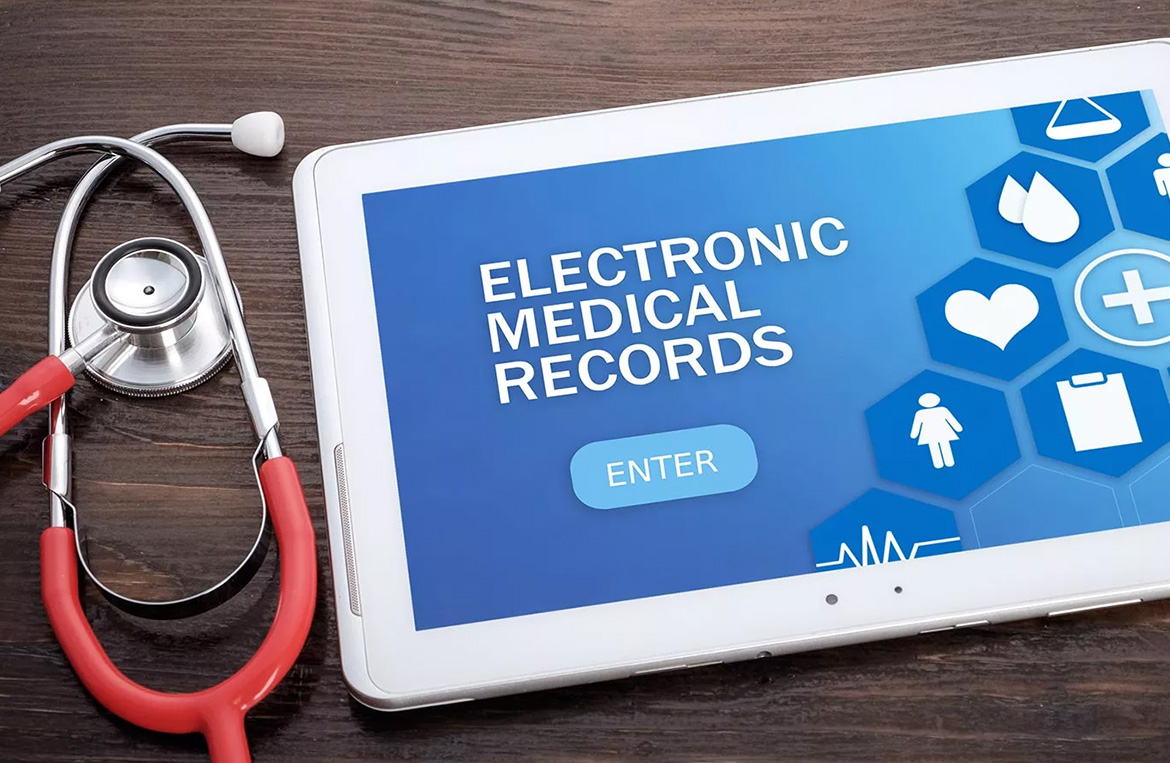
In today’s world of digital technologies, medicine is not lagging behind, and one of the achievements that is revolutionizing healthcare is Electronic Health Records (EHR). They are a powerful tool for storing and managing medical information, providing convenience for both healthcare providers and patients. EHRs address numerous current issues by enhancing the quality and efficiency of medical services, improving coordination among specialists, reducing administrative burdens on medical staff, and ensuring high-level data security.
The implementation of EHRs becomes an important step toward a modern, technologically advanced healthcare system. While they already exist in some clinics, full automation remains rare, often involving a hybrid of electronic and paper records. Data exchange among specialists and integration between clinics are even rarer, preventing healthcare as a whole and specific clinics from transitioning to automated patient care and streamlining doctors’ work. Therefore, in my opinion, such initiatives should be centrally managed. The ideal Electronic Health Record (EHR) system, in my view, would be a single EHR created by the Ministry of Health, where all patient data, visits, medical histories, prescriptions, diagnoses, and more are stored. And all clinics and specialists could integrate with these centralized systems and easily access the system. However, this is currently a matter for the future, as governmental healthcare systems may not always allocate such budgets for creating a unified platform. Although some countries are actively moving in this direction, with certain countries already establishing such state platforms that new clinics can connect to with their own EHR database or corresponding software.
Yet, this is more of an exception than the rule for now. So, let’s return from the future to the present and consider the benefits of implementing EHRs in your clinic that make them indispensable in today’s healthcare system.
Comprehensive patient history in one place
Modern Electronic Health Records (EHRs) allow storing all patient medical information in one place, which is highly convenient for both doctors and patients. EHRs can include basic details such as medical history and diagnoses, results of lab tests, X-rays, and other visual data, vaccination information, prescriptions and physician orders, details on chronic conditions, allergies, and much more. This approach eliminates the need for maintaining numerous paper documents and enables doctors to quickly and easily access the complete medical history of a patient, significantly improving the quality of diagnosis and treatment. In cases of chronic illnesses, allergies, or intolerances to certain medications, AI can display this critical information on the main page, which can sometimes save a patient’s life. An innovation is the AI analysis of diagnoses, symptoms, and lab tests to determine risks of developing related conditions for early diagnosis. These are highly beneficial tools that have received very positive feedback. I think that soon medical institutions will not be able to operate without these technologies at all.
User-friendly interface
One of the most important innovations in the field of EHRs is the development of user-friendly and intuitive interfaces. This allows medical staff to work with data quickly and efficiently, minimizing training time and reducing the risk of errors. Key characteristics of such interfaces include:
- Easy access to key information
- Ability to quickly search for data
- Visualization of information (charts, diagrams)
- Simple navigation and logical structure
In addition to the main functions, there are innovative solutions that we use in our practice, they help you immediately see on the main page brief information about the patient and AI tips on what the doctor should pay attention to, it may be chronic diseases or intolerance to some drugs. Another innovation that we have recently developed and are successfully applying is the integration of the EHR not only with the clinic calendar, but also with the patient’s calendar. When a doctor’s appointment is scheduled, an automatic entry is made in the patient’s calendar, which is another convenience that automates processes.
Integration with other clinics and institutions
Modern EHR systems have a high degree of integration with other medical institutions. This means that a patient’s medical data can be easily transferred between different clinics, laboratories, and specialists. This is particularly important when a patient needs comprehensive treatment involving consultations with various specialists. Integration ensures:
- Seamless data exchange
- Reduced time to obtain information
- Reduced risk of data loss or duplication
Innovations are advancing, and there are already clinics integrating their clients’ EHRs across all the countries where they operate. This allows patients to see the availability of certain medical services in these clinics in other countries or states, such as specific examinations, doctor visits, and telemedicine, in shorter timeframes. While this is still rare and in the early stages of development, I believe it will soon become standard practice to retain clients within their clinic network.
Mobile application for clinics
Mobile applications have recently become an indispensable tool in people’s lives, and mobile apps for clinics and laboratories are no exception. In fact, according to statistics, they are among the most downloaded and used. Integrating with EHRs, these apps provide patients with access to their medical data anytime and anywhere. This creates additional convenience and provides patients with access in the mobile application to:
- Telemedicine
- Viewing medical history and test results
- Receiving notifications about upcoming doctor visits and vaccinations
- Keeping personal notes and tracking health status
- Integration with wearable devices such as smartwatches
- Integration with glucose meters for diabetics
- A reminder of the visit and more
In medical mobile apps, AI is now being actively used, allowing for the creation and inclusion of new innovations. For example, our latest developments for our clients not only provide visit reminders but also allow visit confirmation within the mobile application or the EHR itself. Patients can immediately receive information about the location of their appointment, which reduces the workload on medical staff and is undoubtedly very convenient for the patient. Additionally, medical mobile apps are among the fastest to provide a return on investment, but we have a separate article on that topic.
Data protection
The security of medical data is one of the most important topics and issues of our time. Recently, data from many clinics and laboratories, and even state healthcare systems, have been hacked and stolen. Therefore, a great deal of attention is currently being paid to cybersecurity and data protection. Modern protection systems include:
– Encryption of data at all stages of storage and transmission
– Two-factor authentication for data access
– Continuous monitoring and security analysis
– Regular updates and tests to identify vulnerabilities
– Conducting audits and penetration testing
Additionally, an innovative approach is the use of blockchain, a method of decentralized data storage that, together with all the aforementioned measures, ensures a high level of patient data protection, minimizing the risk of theft or unauthorized access.
In conclusion, it is important to emphasize that innovations in electronic health records are transforming the approach to healthcare, making it more efficient, convenient, and secure. A complete patient history, user-friendly interface, integration with other clinics, mobile applications, and reliable data protection—all of these make EHRs an integral part of modern healthcare. The implementation and development of these technologies enable medical institutions to provide a high level of service and care for patients’ health at a new, advanced level. If you are seriously considering the implementation of innovative solutions using AI, electronic health records, your own mobile application, or modern software, our international company is ready to assist you. All you need to do is fill out the form below, and we will contact you within 24 hours.


