Modern Healthcare Applications
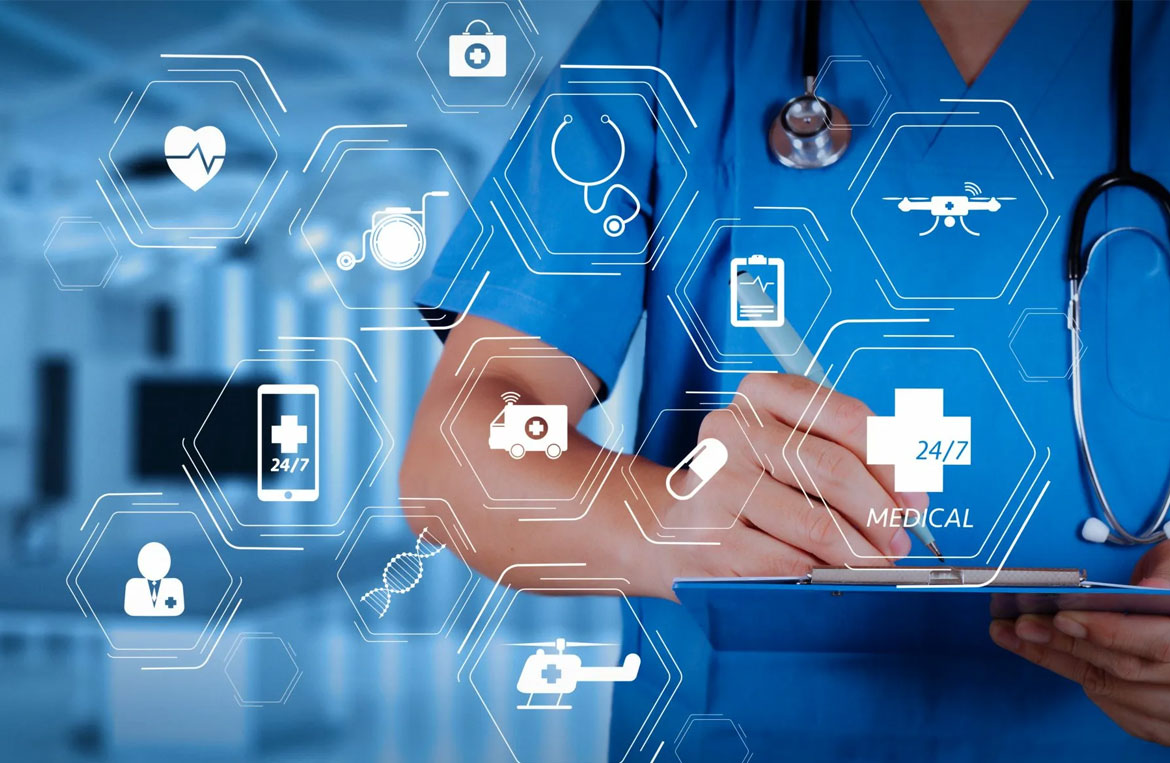
Modern mobile healthcare applications are becoming an integral part of daily life, offering extensive opportunities for both users and medical professionals. The number of people using these apps is rapidly growing every year. According to recent studies, more than 60% of the population in developed countries regularly use mobile applications to track their health and schedule doctor appointments. These apps can include important features such as appointment scheduling, medication management, and reminders for necessary actions. This is especially relevant for patients with chronic conditions that require constant monitoring and attention. For example, about 80% of patients with chronic diseases such as diabetes or hypertension report that mobile apps help them manage their health more effectively.
Mobile healthcare applications offer their users not only convenience but also a multitude of significant benefits. These are not just tools for managing health but essential aids that contribute to improving the quality of life. Let’s take a closer look at the advantages of using such applications:
Convenience
Undoubtedly, a major advantage is the ability to access medical information, consultations, and services 24/7, anytime and anywhere. Innovative solutions have become very popular in mobile applications today, such as:
AI-powered chatbots
AI-powered chatbots that can answer basic questions around the clock, such as providing information on symptoms, offering self-care recommendations, giving first aid instructions, or reminding users to take their medications or measure vital signs.
Virtual consultations
Virtual consultations with medical specialists are becoming increasingly popular, with some clinics offering the option to connect with doctors, nurses, or other healthcare professionals through text messages, audio calls, or video conferencing. These services can be available 24/7, allowing users to receive medical advice even outside of regular clinic hours. Many issues can be resolved remotely, saving time and reducing the burden on healthcare facilities.
Access to medical information and reference materials
Applications can provide access to extensive databases with information about diseases, healthy lifestyle recommendations and other useful resources that can be used at any time.
Personalized approach
The personalized approach, implemented through artificial intelligence (AI) in clinic mobile applications, involves tailoring medical recommendations and services to the unique characteristics and needs of each user. This approach relies on analyzing user data, allowing for more precise and effective recommendations. Here are some of the key capabilities:
Early disease detection
AI can analyze a user’s medical history, including past illnesses, chronic conditions, and test results, and provide risk assessments to the doctor. This assists in evaluating the likelihood of developing new diseases, planning preventive measures, and ensuring timely referrals to the appropriate specialists. Additionally, AI aids doctors in diagnosing complex cases by offering insights based on a comprehensive analysis of the patient’s medical data.
Consideration of individual characteristics
The application can take into account allergic reactions, chronic conditions, laboratory test results, and contraindications when prescribing medications or diets. AI can suggest optimal medication dosages and treatment plans to the doctor, considering the patient’s individual parameters, such as age, weight, and overall health status. This personalized approach ensures that treatments are more precisely aligned with the patient’s specific needs, minimizing risks and enhancing the effectiveness of the care provided.
Dietary advice and physical activity
Mobile healthcare applications offer advanced features that go beyond basic health monitoring, such as personalized dietary advice and exercise planning. These apps can create tailored nutrition plans based on a user’s individual preferences, dietary needs, and specific health goals, such as weight loss, muscle gain, or blood sugar control.
Gamification and motivation elements
Recently, applications with gamification elements have become very popular, including those in the medical field. Interestingly, research shows that these innovations are widely embraced across all age groups. An app can set personalized goals, such as daily step counts or calorie intake, and track their achievement, motivating users through rewards and notifications.
Internet of Things (IoT) and status monitoring
Devices such as smartwatches, wristbands, or special medical sensors can monitor vital signs (for example, heart rate, blood oxygen levels, blood pressure) and transmit this data in real time to medical professionals. Patients with chronic diseases such as diabetes or hypertension can use IoT devices to constantly monitor blood sugar levels or blood pressure. IoT devices can transmit data to doctors for analysis, which allows for consultations and diagnostics at a distance. This is especially important for patients living in remote or hard-to-reach areas. This allows timely correction of treatment and prevention of exacerbations.
Emergencies and alerts
IoT devices with an emergency call function can automatically send an alarm signal to medical personnel or relatives through the application when critical changes in health status are detected, for example, with very high blood pressure or blood sugar levels.
Appointment reminders and registration
Appointment reminders in mobile applications have become a standard practice. One of the innovations we have implemented in the app is not only reminding patients about their appointments but also allowing them to confirm their visit directly through the mobile application or the electronic patient record. Additionally, patients can receive immediate information about which room their appointment will take place in. This significantly reduces the burden on medical staff and is undeniably very convenient for patients.
Push notifications
In addition to appointment reminders, push notifications can be used for commercial purposes, offering various opportunities to enhance patient engagement and optimize their healthcare experience. For example, push notifications can be employed to inform patients about available procedures or services that might be beneficial for their health. This could include personalized recommendations for diagnostic tests, treatments, or specialized procedures based on the patient’s medical history. By utilizing push notifications in this way, clinics can improve treatment outcomes and potentially increase their revenue.
Artificial Intelligence (AI) undoubtedly significantly expands the capabilities of mobile applications in healthcare, providing innovative solutions to enhance diagnosis, treatment, and health management. These technologies make applications invaluable for patients. However, mobile applications benefit not only patients but also become indispensable tools for healthcare professionals. Let’s explore why:
Access to medical history
Mobile applications integrated with Electronic Medical Records (EMR) allow healthcare professionals to quickly access the entire medical history of a patient, including past diagnoses, laboratory test results, hospital discharge summaries, and data on procedures performed. This helps doctors gain a comprehensive understanding of the patient’s health status and consider all necessary information when making a diagnosis or selecting a treatment plan.
Patient monitoring
Wearable devices, such as fitness trackers, smartwatches, and specialized medical devices, can measure and transmit data on heart rate, blood oxygen levels, blood pressure, glucose levels, body temperature, and other biometric indicators. Mobile applications can collect data from these wearable devices and send it to doctors, allowing for remote monitoring of patient conditions. This is especially important for patients with chronic diseases or those recovering from surgery.
Data analysis and visualization
Applications often include data analysis and visualization features, such as graphs and charts, that help doctors easily interpret changes in a patient’s health status. AI assists in identifying hidden trends that may be missed by healthcare providers, leading to more accurate and timely diagnoses.
Notifications and alerts
Applications can notify both the on-duty doctor and the patient if health metrics fall outside acceptable ranges, displaying the patient’s data immediately, including their address and phone number, as well as that of their close contacts. For example, if blood sugar levels become too high or low, the system can immediately notify the doctor on duty.
Telemedicine and video consultations
Applications enable video consultations, allowing many issues to be addressed remotely. Patients can schedule consultations directly through the mobile app by selecting a suitable date and time and pressing a button to book. Telemedicine gained popularity during the pandemic, and it remains highly convenient as doctors can remotely discuss patients’ conditions, review symptoms, suggest treatment adjustments, or provide additional recommendations. This is especially useful for patients in remote areas.
Treatment adjustments
Doctors can modify treatment plans based on real-time data received from mobile applications and Electronic Medical Records (EMR), as well as data from wearable devices. This capability allows healthcare professionals to promptly respond to any changes in a patient’s condition, making adjustments as needed to ensure that the treatment plan remains effective and up-to-date.
Coordination with other specialists
Applications can facilitate coordination among various specialists involved in a patient’s care, ensuring more synchronized actions and seamless information exchange. Data collected through these apps can be automatically integrated into the patient’s electronic medical record, providing comprehensive access to all necessary information for healthcare providers in real time. This integration helps in maintaining continuity of care and improving communication between different members of the medical team.
Data collection and analysis
The use of Big Data in mobile applications for clinics opens up new opportunities for enhancing the quality of medical care, increasing the efficiency of healthcare personnel, and conducting scientific research. Mobile apps that collect and analyze large volumes of patient data—such as genetic information, medical history, and lifestyle—enable the development of personalized treatment plans. This approach not only improves clinical outcomes but also reduces the risk of side effects by tailoring treatments to the individual needs of each patient.
Mobile applications and platforms for Healthcare Professionals
It’s also important to highlight the growing popularity of mobile applications and platforms designed specifically for healthcare professionals. Many clinics are developing such apps for the administration, training, and professional development of their staff. These medical applications provide healthcare specialists with the opportunity to acquire up-to-date knowledge and skills at their convenience, from anywhere. Such apps can integrate with various research databases and platforms, offering features such as:
Administrative panel: A section where staff can view schedules for appointments and shifts.
Social networks for doctors and healthcare professionals: A space where they can share clinical cases and discuss them with colleagues, receive support in diagnosing complex cases, and access a vast medical knowledge base.
Access to a medical article and guidelines database: This includes the latest medical news, research reviews, educational videos, and interviews with leading experts from the clinic and the region.
Educational resources: The app may offer tests on medical topics and preparatory materials for continuing education. The use of 3D models, simulations, and clinical case studies makes learning more visual and engaging, aiding better retention of material.
Inventory management: The app can help hospital administrators and pharmacies track the availability of medications and other medical equipment.
Task and reminder lists: A feature that allows healthcare professionals to create task lists and set reminders to ensure nothing is overlooked.
Drug database: The app might include a comprehensive drug database, detailing interactions, dosages, and side effects, along with tools for calculating dosages and other medical parameters.
Mobile applications that leverage Artificial Intelligence (AI) for the training and professional development of healthcare workers are becoming increasingly popular due to their ability to provide personalized and interactive education. These apps help medical professionals stay updated with the latest medical knowledge, develop new skills, and improve the quality of patient care. The use of AI allows for the personalization of educational content, ensures access to current information, and creates interactive learning environments, making the learning process more efficient and convenient.
Cybersecurity of mobile apps and platforms
Lastly, it’s important to address a critical issue: cybersecurity. In recent years, the healthcare sector has increasingly faced challenges related to data security and breaches of medical information. According to Statista, in 2023, the highest average cost of a data breach occurred in healthcare institutions—53% higher than at the start of the COVID-19 pandemic, with the number of attacks continuing to rise in 2024. This surge can be attributed to the fact that healthcare organizations are prime targets for cyberattacks due to the sensitive nature of the data they handle and typically weaker cybersecurity measures compared to other industries.
The high cost of medical data breaches is due to several factors. The confidential nature of medical information, which includes not only personal details but also financial and medical records, makes it highly valuable on the black market. For example, in early 2023, the database of a major hospital network in the United States was hacked, leading to the leakage of personal data for millions of patients. Experts estimate the damage from this attack exceeded $100 million.
Essential data security measures for healthcare institutions:
- Data encryption
- Multi-factor authentication (MFA)
- Protection against malware
- Regular updates of applications and systems
- Continuous monitoring of systems and networks to detect suspicious activity
- Regular security audits to identify and address vulnerabilities
- Access restriction to data
- Development and implementation of strict data protection and access management policies
Innovations in Cybersecurity Systems:
AI for protecting medical Data: Advancements in cybersecurity, such as the use of AI to detect and prevent cyberattacks, are becoming increasingly important for safeguarding sensitive medical information.
Fraud prevention systems: AI also helps identify and prevent cases of fraud within healthcare organizations, insurance companies, and other healthcare-related sectors.
Blockchain: Decentralized data storage systems are harder to hack due to their distributed structure and cryptographic protection.
The rise in cyberattacks and medical data breaches underscores the need for a systematic approach to ensuring the cybersecurity of medical mobile applications and platforms. Implementing robust data protection measures and continuously improving security practices are crucial for preventing such incidents in the future and minimizing their impact.
In conclusion, it is important to highlight, that mobile medical applications and platforms play a crucial role in modern digital medicine, providing patients and healthcare professionals with convenient and effective tools for health management. They offer round-the-clock access to medical data, simplify the processes of diagnosis and treatment, enable timely adjustments to treatment plans based on real-time information, and ultimately improve the quality of healthcare services. As a result, mobile medical applications and platforms do more than just make life easier for patients and doctors—they have become an integral part of the healthcare system, contributing to the enhancement of care quality and accessibility in the digital transformation era. Therefore, these mobile applications and platforms are not merely convenient additions but critical components shaping the future of healthcare.


